

How to extract maximum aroma from hops without bitterness
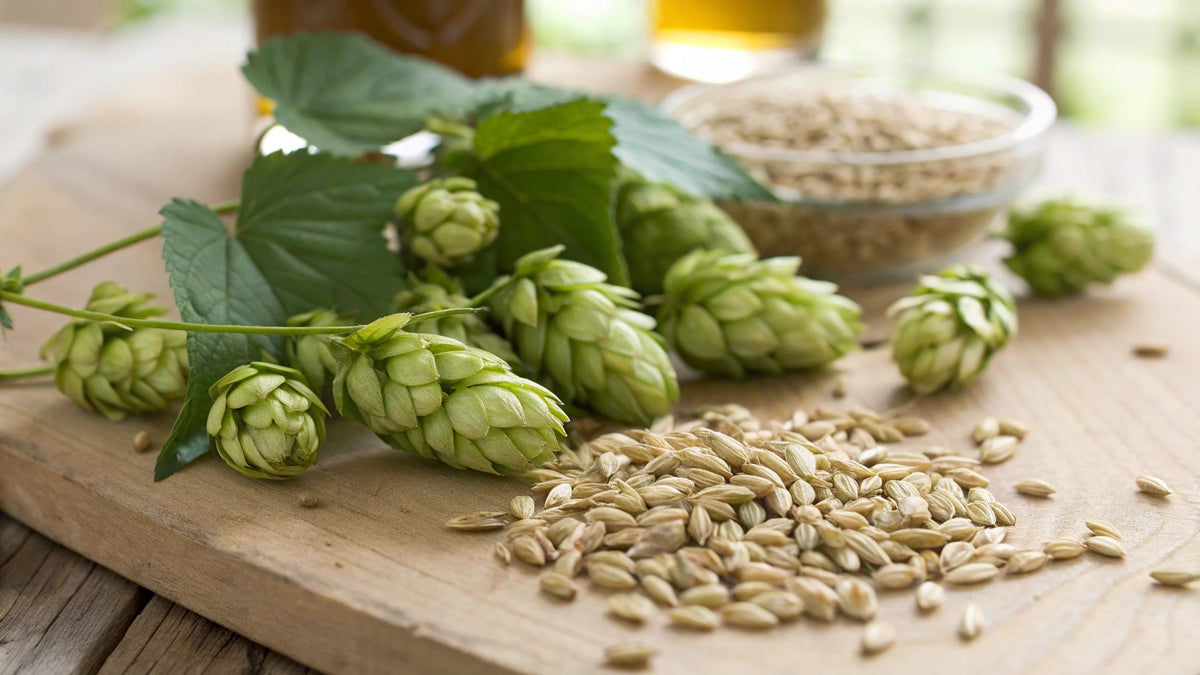
You probably associate hops with the bitterness of your beer. That makes sense, but it's an incomplete view. Craft brewers have learned to harness this ingredient to create bursts of fruity, floral, and tropical aromas, all while keeping bitterness perfectly under control. The secret? Addition techniques that play with timing, temperature, and the shape of the hops. If you're already familiar with dry hopping , here are some other methods that transform your favorite beer into an aromatic explosion.
Whirlpool hopping captures aromas between 60 and 80 degrees
After the wort boils, when the temperature drops to between 60 and 80 degrees Celsius , a magical window opens. This is when brewers add hops to the whirlpool to extract their essential oils without triggering the isomerization of alpha acids, the chemical mechanism responsible for bitterness . Above 80 degrees, alpha acids transform and make the beer bitter. Below this temperature, volatile compounds like myrcene , linalool , and geraniol are released into the wort; these molecules are responsible for the citrus, tropical fruit, and floral notes.
In practice, brewers use between 2 and 10 grams of hops per liter for a hop stand of 10 to 30 minutes. The longer the stand, the more complex the flavor profile becomes, but care must be taken not to exceed 30 minutes to avoid the formation of DMS (dimethyl sulfide), a compound with an undesirable cooked corn flavor. This technique has become essential in brewing NEIPAs, those hazy India Pale Ales where aroma takes precedence over everything else.
Hop bursting concentrates all the hops at the end of the boil.
Imagine a brewer who deliberately forgoes adding hops at the beginning of the boil. Zero classic bitterness. Instead, they add almost all of their hops in the last 15 minutes of the process. This is hop bursting, a radical technique that pushes the concept of late hopping to the extreme.
The principle is simple: early additions (60 minutes into the boil) maximize bitterness but destroy volatile aromatic oils. By concentrating everything at the end of the boil, the brewer achieves a rounder, smoother bitterness , accompanied by unprecedented aromatic intensity. The trade-off? Significantly more hops are needed in total quantity to reach the same IBU level. But for modern IPAs, where the aromatic profile matters more than raw bitterness units, it's a deliberate choice that makes all the difference .
Cryo hops release twice as many essential oils
What if you could extract only the aromatic part of the hops, leaving aside all the plant matter? That's exactly what cryo hops do. Developed by Yakima Chief Hops in Washington State, these concentrated pellets are made using a cryogenic process : the hop cones are cooled under a nitrogen atmosphere, then the lupulin, that fine yellow powder containing essential acids and oils, is mechanically separated from the green matter.
The result is a concentrate twice as potent as standard T-90 pellets. The recommended dosage is 40 to 50% of the usual pellet weight , making the cost per brew comparable despite a higher price per kilogram. Breweries like Other Half in New York have found the sweet spot: a blend of 30 to 50% lupulin powder supplemented with standard pellets. This mix combines the juicy, resinous intensity of cryo-hops with the broader aromatic complexity of traditional pellets, and extraction is nearly complete in just 30 minutes of circulation.
Biotransformation, through the use of yeast, alters the aromas of hops.
Hopping doesn't stop when the hops leave the wort. During fermentation, a fascinating process takes place: the yeast interacts with the aromatic compounds of the hops in a process called biotransformation . The terpenes extracted during the whirlpool or hop stand are transformed into other molecules by yeast enzymes. Geraniol , for example, is converted into citronellol during fermentation, completely altering the beer's flavor profile.
Among the most potent compounds are thiols , present at less than 1% in hop oils but extraordinarily powerful. Professor Tom Shellhammer of Oregon State University describes them as 10,000 times more potent than geraniol in terms of aromatic impact. This is why the choice of yeast strain has become as strategic as the choice of hops themselves. A related technique takes this logic further: dip hopping , developed in 2012 by Spring Valley Brewery in Japan, involves adding the hops directly to the fermenter before pitching the yeast. The result: fewer vegetal and sulfurous notes, and more biotransformation.
Combining techniques creates a layered aromatic profile.
The most creative brewers don't choose a single technique; they layer them. A batch might begin with a light addition of bitter hops at the start of the boil for foam stability, followed by a hop burst in the last 15 minutes, then a 70-degree whirlpool hopping to extract essential oils, and finally a dry hopping for a final touch of freshness. Each layer brings a different aromatic dimension, and the yeast's biotransformation then recomposes the whole.
The current trend is towards multi-hopping : combining more than two hop varieties at different stages of brewing to create complex profiles. Varieties rich in essential oils, such as Nelson Sauvin (with notes of white wine and redcurrant) or Citra (mango, passion fruit), are particularly prized for these layered approaches. The result is found in the most aromatic beers on the craft market, these IPAs and Pale Ales where each sip reveals a new facet.
These techniques are precisely what give our hoppy beers their distinctive character. Discover our range directly from our online shop (free delivery on orders over CHF 100), or better yet, come visit the brewery in Renens to see our tanks in action. And if you want to share this with a larger audience, we also offer beer tap rentals for your events.
Cheers! 🍻


